
Competition-grade architectural visualization made simple
Upload your project. Review with our markup tool. Receive stunning renders. It's that easy.
- The industry’s most user-friendly platform
- Architectural services on demand
- Around-the-clock availability
- Top-tier quality only
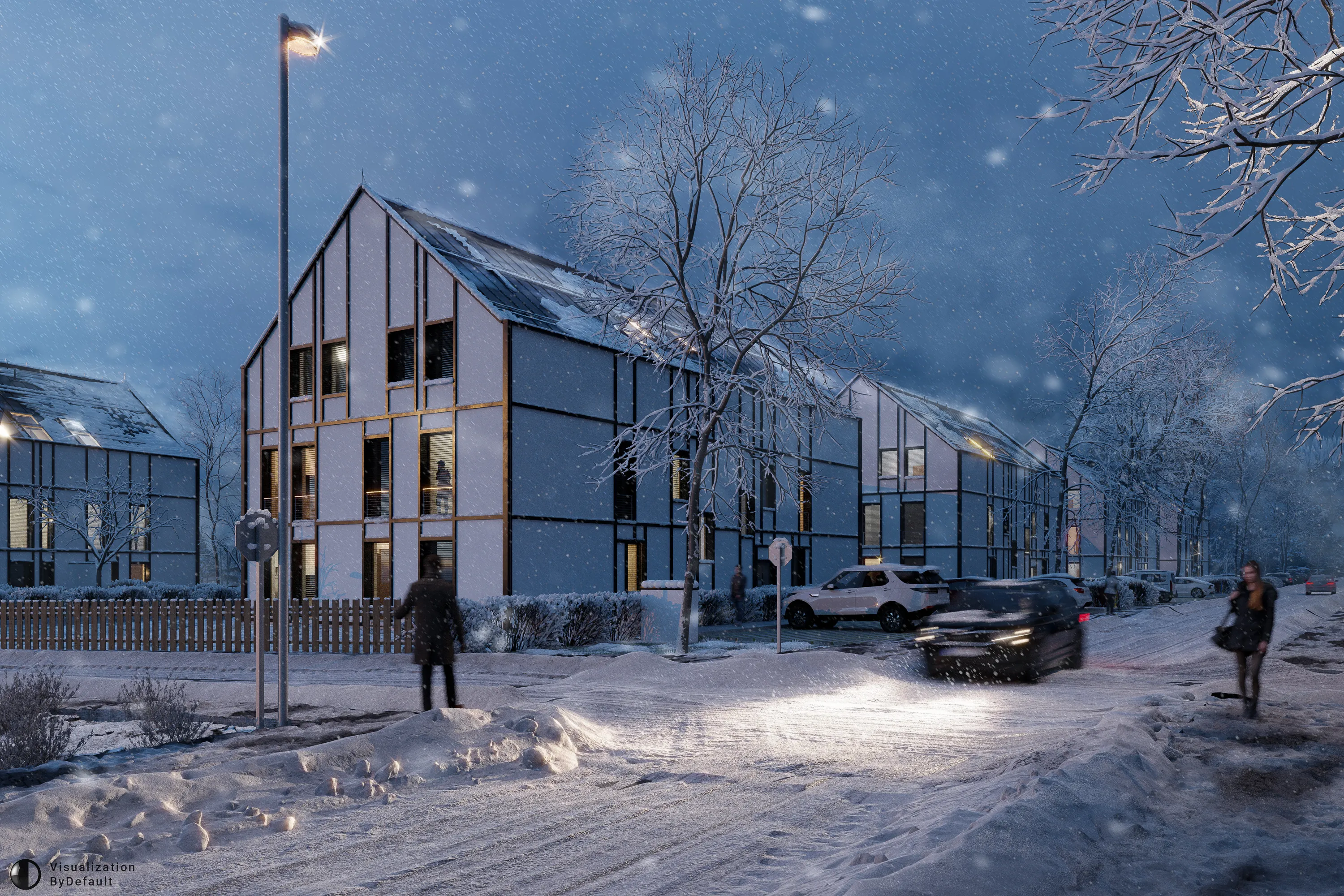

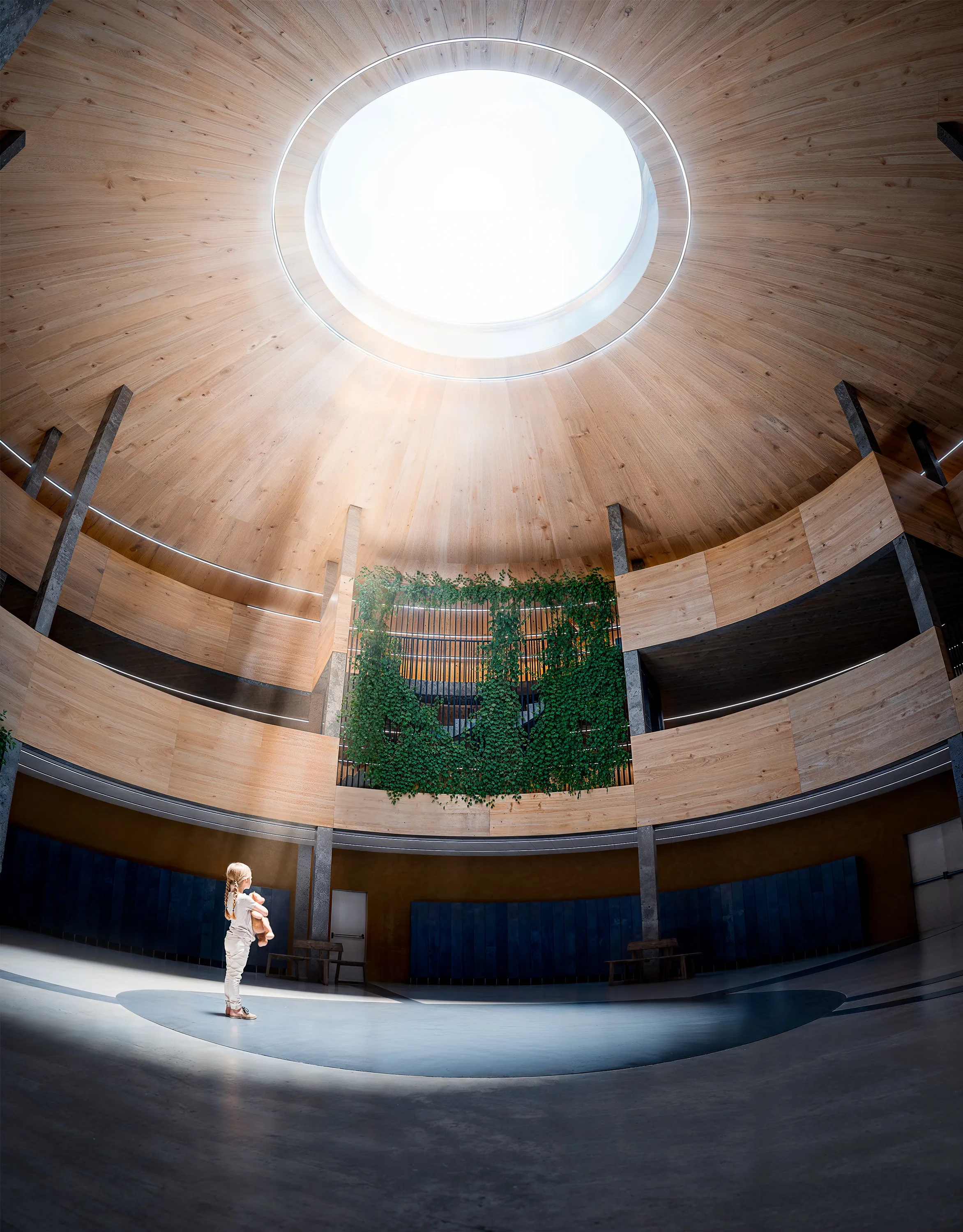

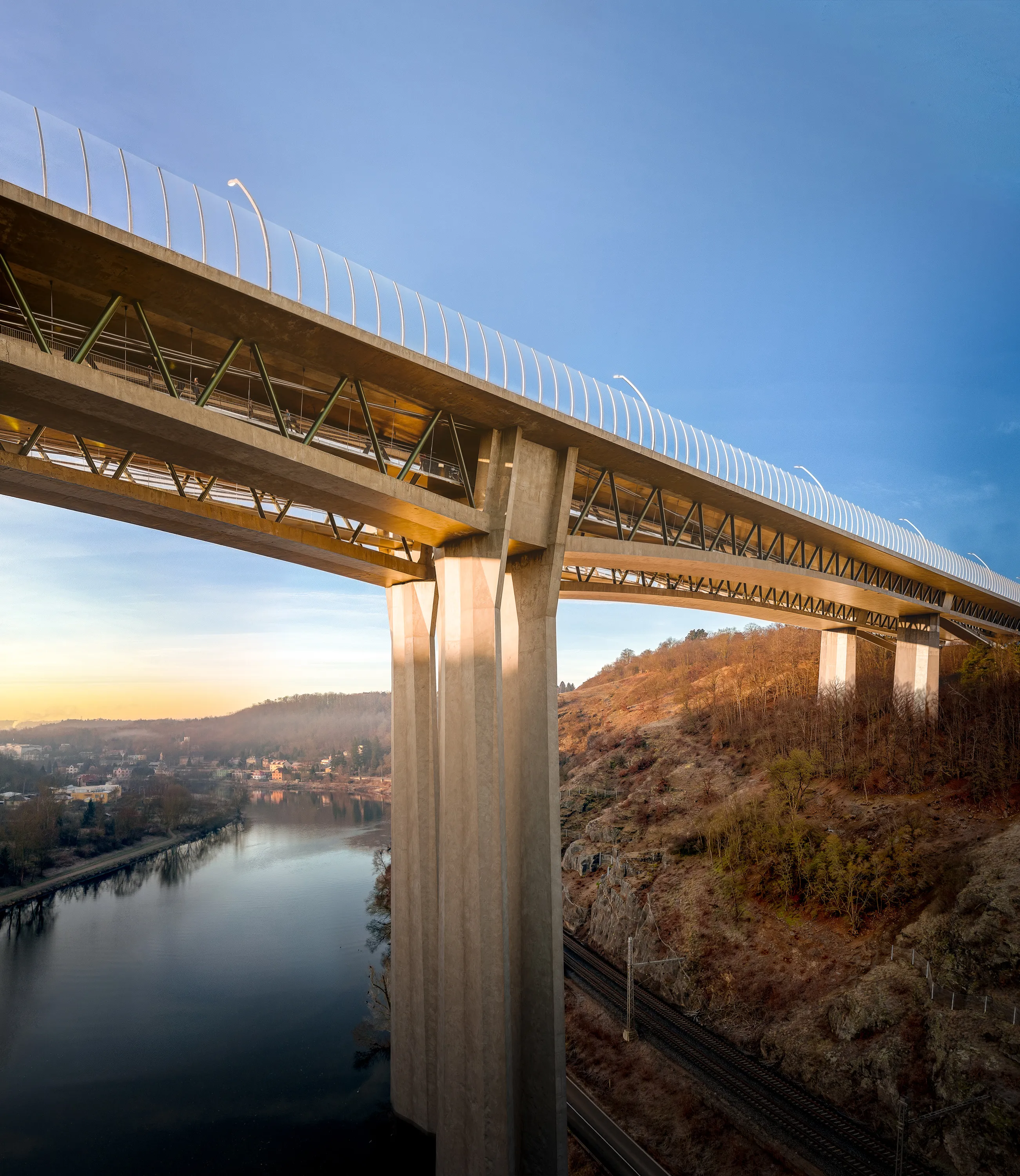

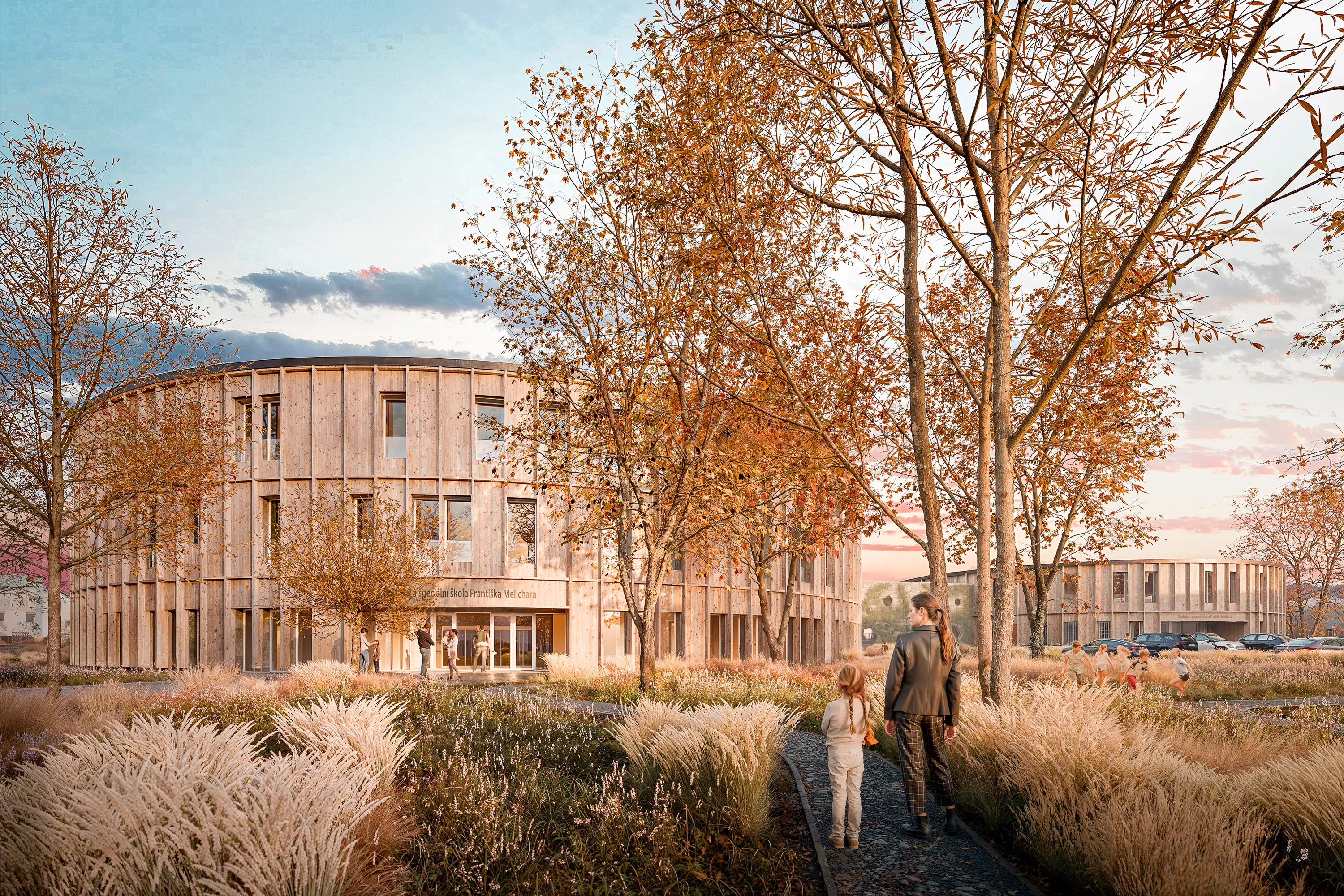


Outstanding Visuals
Streamlined Workflow
Stay in Control
Expert Level Network
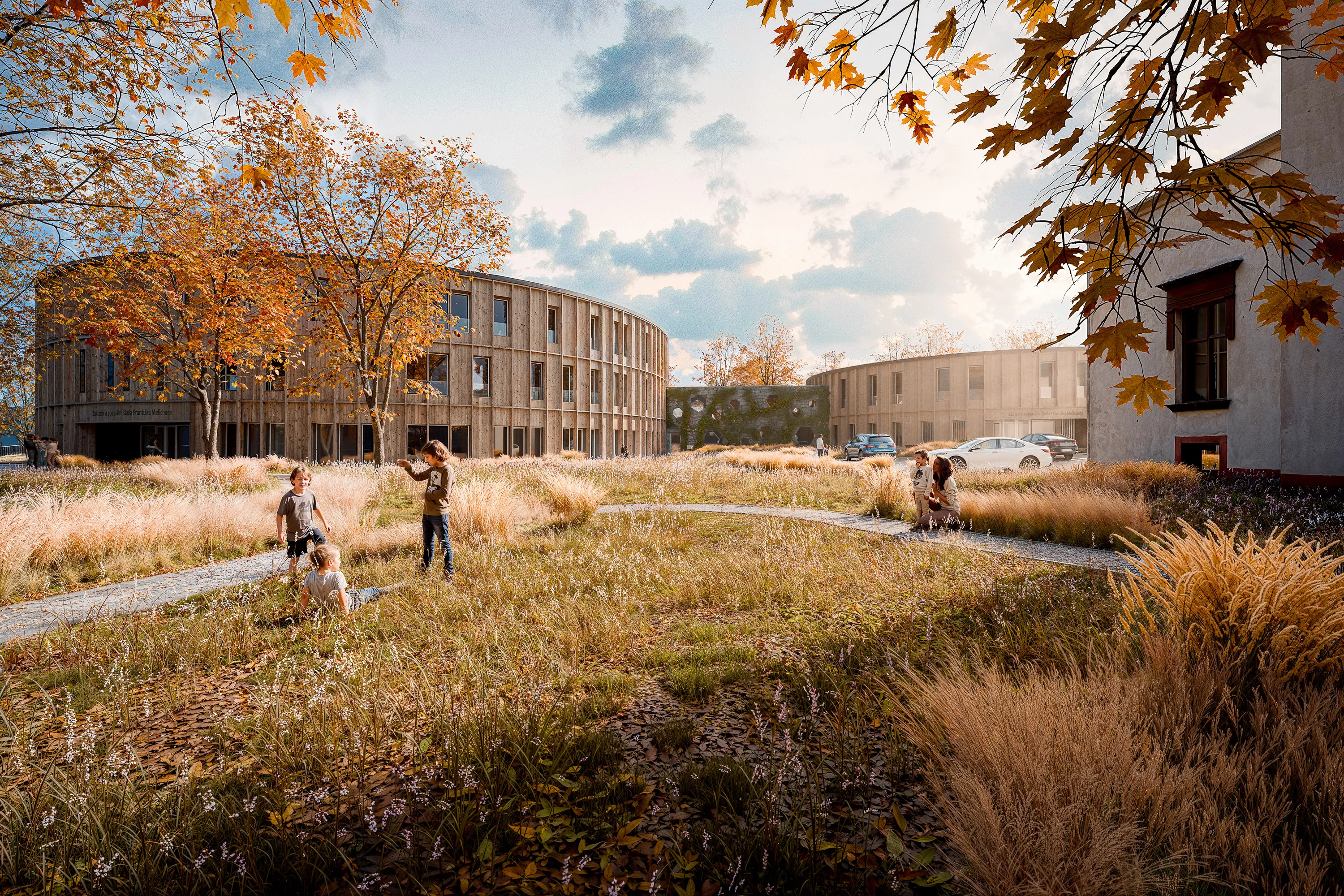
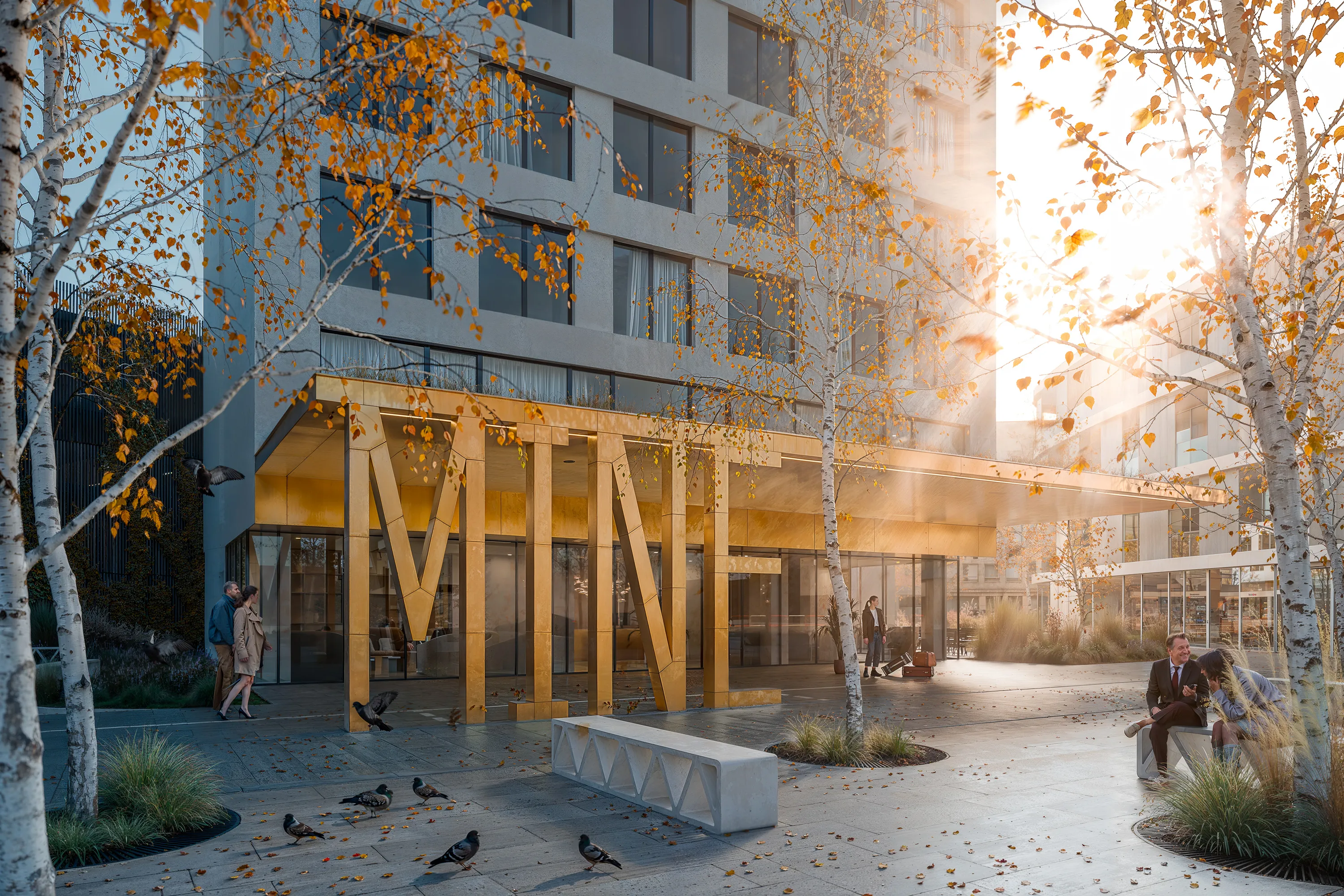
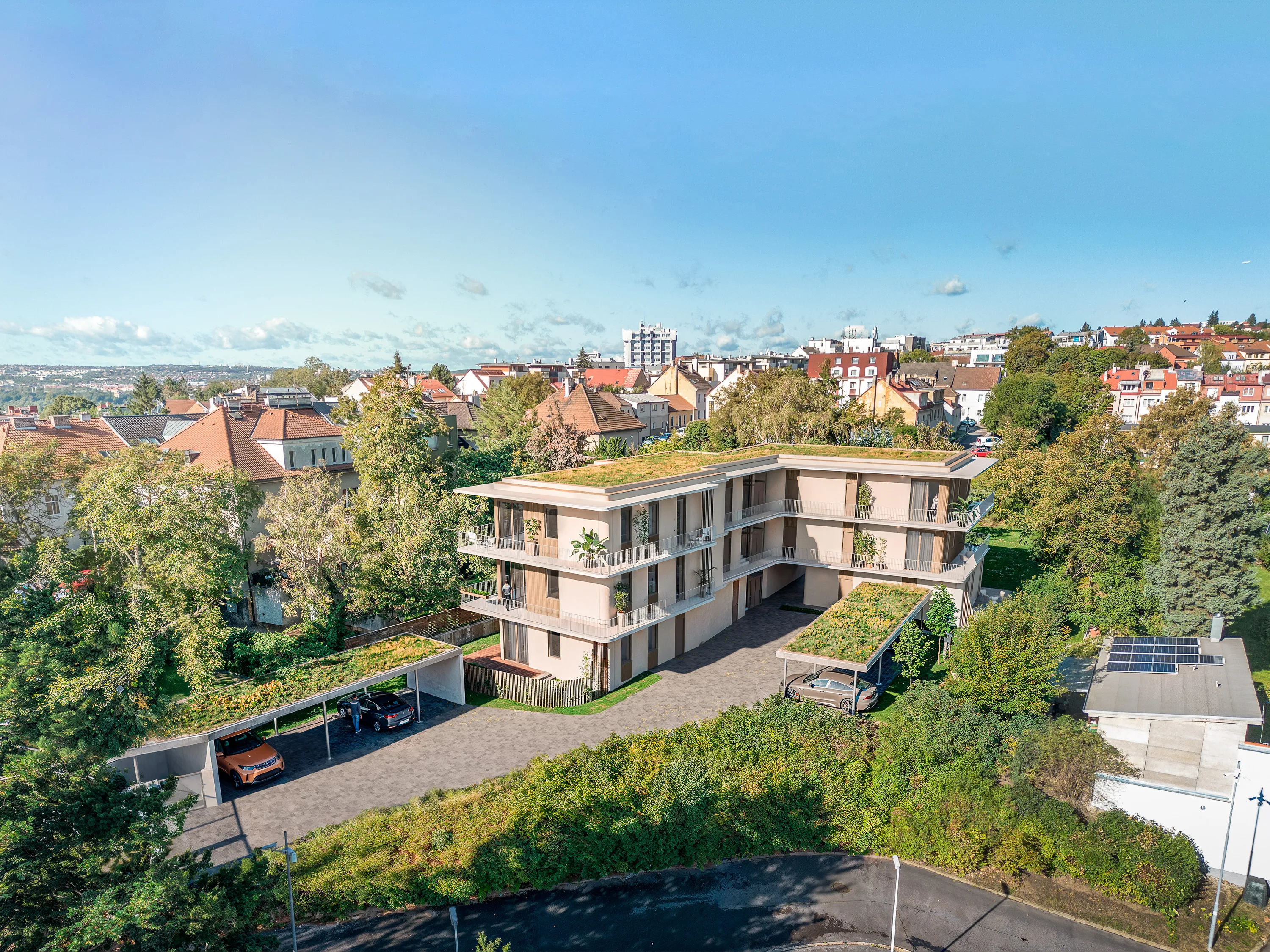
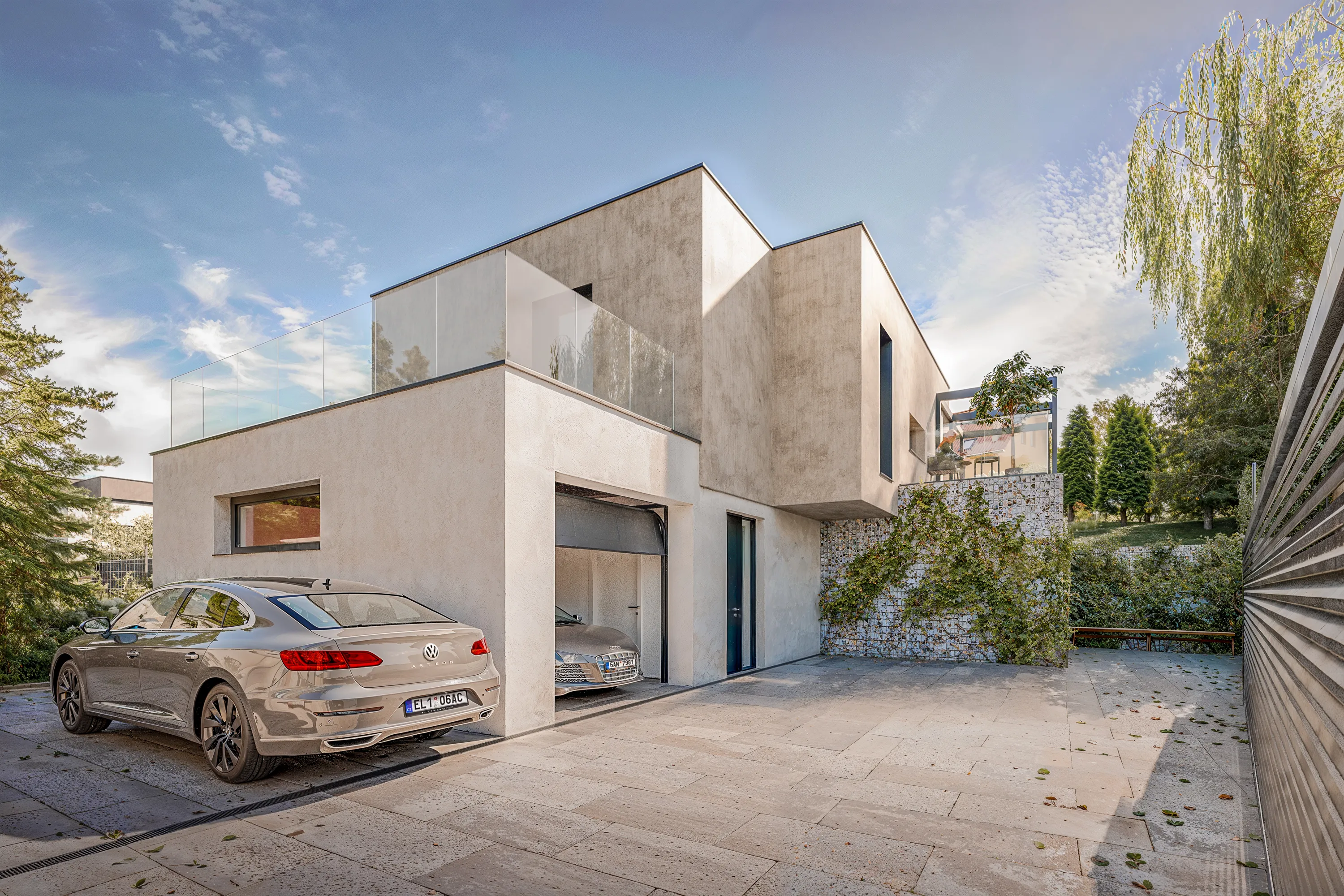
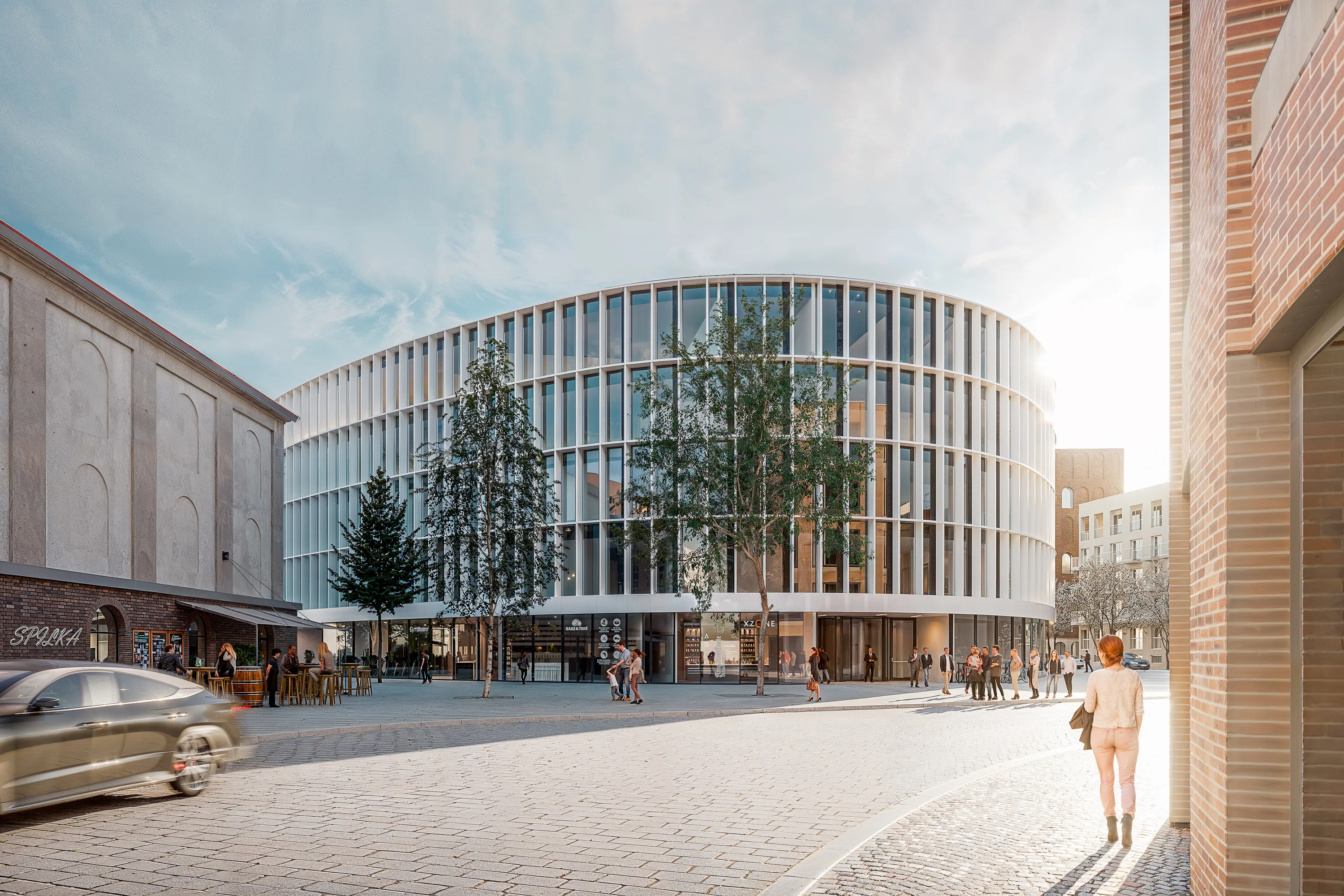
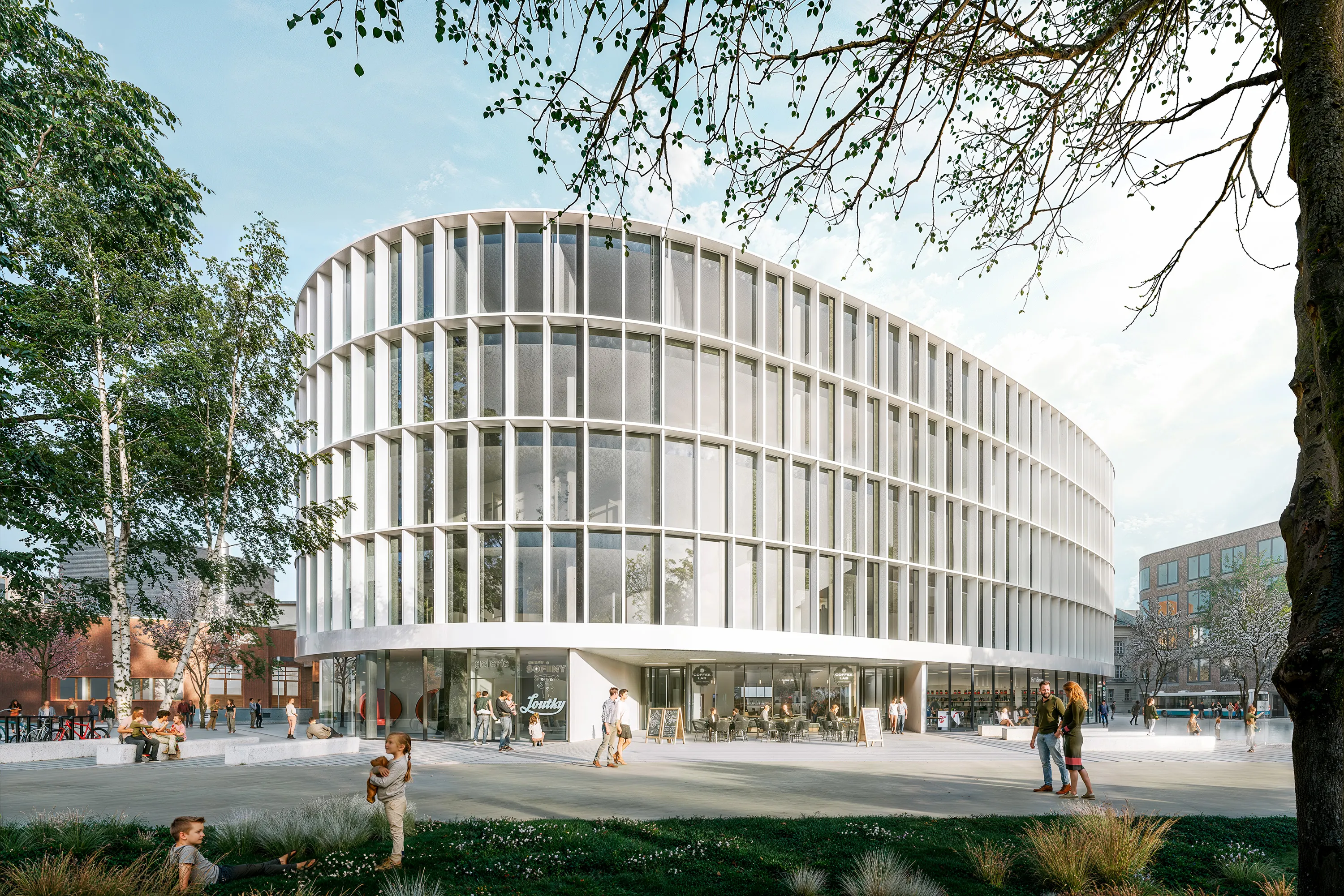
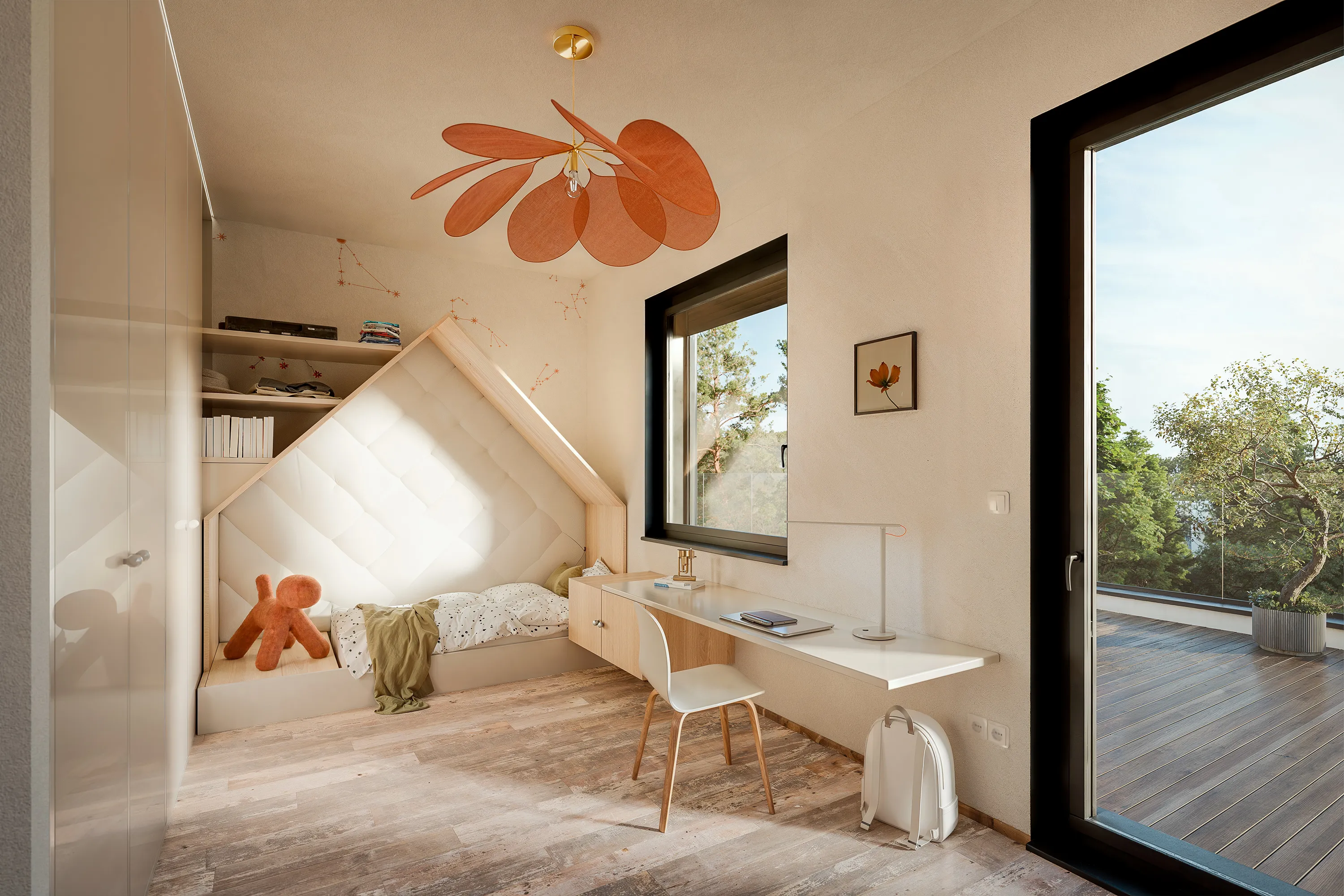
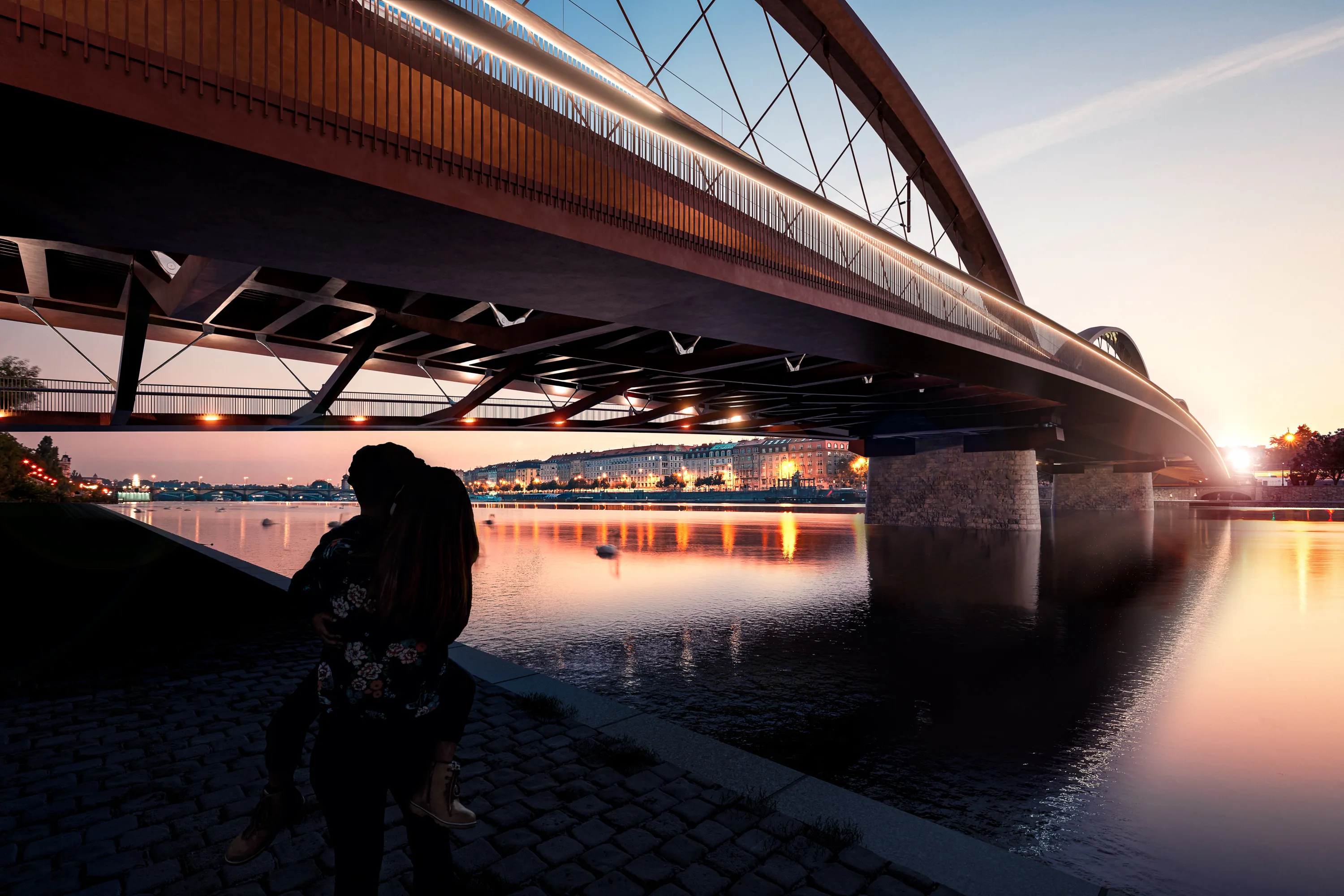
See our work in action


How we are different
Criteria

Studios
Freelancers
We are promising a whole new experience of rendering by reimagining the entire process.

How it works
.png)
Submit your Project
Accept Quote


Fine-Tune to Perfection
Approve and Download


Experience the streamlined way
Increase Your Output
Scale Up Your Practice
Less Stress, More Results
Predictable Quality
Questions & Answers
What happens if my requirements change during the project?
OC3D distinguishes clearly between expected iterations and scope changes.
- Design, lighting, and material refinements are handled within the defined review stages.
- Structural changes, new viewpoints, or added renders are transparently flagged as scope extensions.
- Any additional work is clearly priced and approved before execution.
This protects both sides: clients stay flexible, and projects stay controlled — without surprise invoices or stalled timelines.
How predictable are timelines and delivery compared to traditional studios?
Timelines at OC3D are process-driven, not person-driven.
Traditional studios often rely on informal estimates and manual coordination. OC3D defines:
- Fixed production stages with clear entry and exit criteria
- Automatic status updates inside the platform
- Controlled revision windows tied to scope
This makes delivery times significantly more predictable, especially for teams that need renders aligned with planning milestones, approvals, or investor deadlines.
Who actually creates the renders? Freelancers, studios, or in-house artists?
OC3D works with a curated network of professional 3D artists rather than a single in-house team or an open freelancer marketplace.
Key difference:
- Artists are pre-qualified and matched based on project type, complexity, and deadline.
- OC3D remains the single contractual and operational interface for the client.
- Quality is enforced through process standards and internal checkpoints, not individual dependency.
For clients, this combines the flexibility of a global talent pool with the reliability of a single provider.
How does the review and revision process work at OC3D?
OC3D replaces emails and meetings with a structured, in-platform review workflow.
Each project moves through clearly defined stages (sketching, first draft, fine-tuning), and at every review step clients can leave direct, visual comments on the renders themselves.
This means:
- Feedback is tied to exact areas of an image, not described vaguely in text. Feedback can even be given via video recording.
- All comments are centralized and version-controlled.
- Review rounds are predictable and aligned with the project scope.
The result is faster iterations, fewer misunderstandings, and no time lost coordinating feedback.
Why should you use OC3D instead of a large visualization studio?
Large visualization studios are well suited for long, fully scoped projects, but they are often slow to onboard and inflexible when deadlines are tight. OC3D is built for speed and reliability. Through a curated global network of vetted artists, we can start quickly and scale instantly, delivering consistent quality without the overhead and delays of a large studio.
How is OC3D different from hiring a freelancer directly?
With OC3D, you are not dependent on a single individual. We vet artists, manage production, ensure quality standards, and intervene if anything goes off track. If an artist becomes unavailable or underperforms, the project is reassigned internally without delay. You get flexibility with significantly reduced risk.
What happens if the assigned artist gets sick or cannot deliver on time?
The project continues as planned. We immediately reassign the work to another suitable artist from our network. All files, context, and feedback are already in the platform, allowing a seamless handover. Deadlines are maintained and clients are typically not affected.
How do you ensure consistent quality across different artists?
All OC3D artists are hand-picked, vetted, and continuously evaluated. We operate a structured production workflow with defined delivery stages, internal quality checks, and controlled revision rounds. Our role is to ensure professional, architecture-grade output on every project.
How does feedback and commenting work?
Feedback is centralized within the platform. Multiple people from your team can comment directly on the images, allowing parallel input and avoiding long email chains. This significantly speeds up revision cycles and reduces misunderstandings.
Can several employees access the same project?
Yes. Multiple stakeholders can be granted access to the same project. This is ideal for partner-led projects, larger teams, or situations where feedback and decisions are shared across roles.
Is OC3D suitable for competitions and early-stage concept work?
Yes. OC3D is frequently used for competitions, feasibility studies, and early client presentations. We are accustomed to working with evolving designs and partial information while still delivering strong, convincing visuals.
How do you handle confidentiality?
All artists are bound by strict confidentiality and IP agreements. Communication and file exchange happen exclusively within the platform, and artist identities are not disclosed to clients.
When is OC3D not the right solution?
If you require a long-term, deeply embedded visualization partner working side by side with your team for months, a traditional in-house or external studio setup may be more suitable. OC3D is optimized for speed, reliability, and scalability when internal resources are stretched.
Stop Managing Freelancers.
Start Getting Renders.